





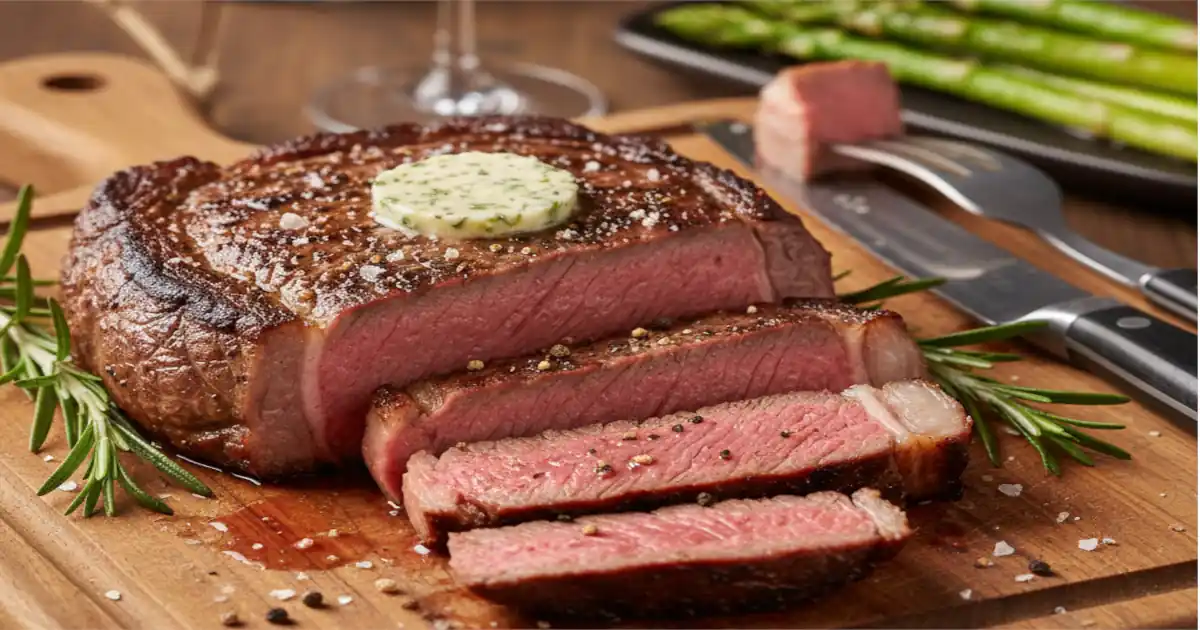
Cooking enthusiasts pursue perfect doneness levels. They seek juicy textures and rich flavors. Medium rare stands out as a favorite. Chefs recommend it for steaks. This guide explores its secrets.
Experts define medium rare precisely. It features a warm red center. The internal temperature reaches 130-135°F. Juices flow freely inside. Outer layers sear nicely.
Diners enjoy enhanced taste profiles. Proteins denature optimally at this stage. Natural flavors intensify without overcooking. Health benefits include retained nutrients.
Understanding Medium Rare Doneness
Cooks measure doneness with thermometers. They insert probes into the thickest parts. Readings confirm the level accurately. Visual cues help, too.
Pink hues dominate the interior. Redness fades slightly toward the edges. Surfaces brown attractively. This balance prevents dryness.
Restaurants train staff on this standard. They aim for consistency in orders. Customers return for reliable experiences. Quality meat matters most.
Benefits of Choosing Medium Rare
Steak lovers appreciate moisture retention. Overcooking leads to tough bites. Medium rare keeps tenderness intact. Flavors burst with each cut.
Nutritionists note vitamin preservation. High heat destroys B vitamins. Lower temperatures protect them better. Iron absorption improves, too.
Chefs highlight presentation appeal. Cross-sections reveal vibrant colors. Plates look inviting and professional. Guests feel satisfied.
Environmentalists point to efficiency. Shorter cooking times save energy. Less waste occurs from ruined meals. Sustainability gains traction.
How to Achieve Perfect Medium Rare
Select high-quality cuts first. Ribeye or filet mignon works best. Pat them dry thoroughly. Season generously with salt.
Preheat grills or pans hot. Oil surfaces lightly if needed. Place the steaks down carefully. Sear for two minutes per side.
Use timers for precision. Flip only once midway. Remove at the target temperature. Rest for five minutes.
Thermometers ensure accuracy always. Instant-read models respond quickly. Invest in reliable brands. Practice builds confidence.
Essential Tools for Medium Rare Cooking
Gather basic equipment upfront. Cast-iron skillets distribute heat evenly. Tongs handle flips safely. Avoid forks to prevent punctures.
Digital thermometers provide exact readings. Calibration keeps them trustworthy. Probe styles suit ovens well.
Timers track cooking durations. Apps offer customizable alerts. Stopwatches work in a pinch.
Cutting boards support resting phases. Sharp knives slice cleanly. Presentation platters elevate servings.
Common Mistakes When Aiming for Medium Rare
Beginners often overcrowd pans. Heat drops unevenly then. Steaks steam instead of searing. Space them adequately.
Some forget to rest meat. Juices redistribute during this time. Cutting too soon causes leaks. Patience pays off.
Inaccurate thermometers mislead cooks. Test them in ice water. Adjust as necessary. Replace faulty ones.
Over-seasoning masks natural tastes. Use minimal spices initially. Enhance with sauces later. Balance is key.
Delicious Recipes Featuring Medium Rare
Try classic grilled ribeye. Marinate in garlic and herbs. Grill over medium-high heat. Aim for that ideal doneness.
Pan-seared filet mignon shines. Butter baste during cooking. Add thyme for aroma. Serve with vegetables.
The sous vide method guarantees results. Vacuum-seal steaks first. Cook in a water bath. Finish with a quick sear.
Oven-broiled strip steak simplifies. Season and broil high. Monitor closely. Pair with wine.
Variations on Medium Rare Across Meats
Beef dominates discussions. Lamb chops suit this level, too. Pork tenderloins benefit similarly. Experiment boldly.
Seafood like tuna prefers rarity. Sear exteriors briefly. Centers remain pink. Freshness ensures safety.
Venison reaches peak at medium rare. Gamey flavors mellow out. Marinades tenderize effectively. Hunters favor it.
Chicken rarely uses this term. Dark meats tolerate undercooking less. Stick to beef primarily.
Pairing Sides with Medium Rare Steaks
Roasted vegetables complement richness. Asparagus spears grill nicely. Potatoes mash smoothly. Salads refresh palates.
Sauces enhance experiences. Béarnaise adds tanginess. Chimichurri brings herbs. Mushroom reductions deepen umami.
Wines pair perfectly. Cabernet Sauvignon matches boldness. Pinot Noir offers lightness. Consult sommeliers.
Breads absorb juices. Sourdough toasts well. Garlic butter spreads easily. Dinners feel complete.
Health Considerations for Medium Rare
Doctors advise on food safety. Bacteria die at higher temperatures. Quality sources reduce risks. Freshness matters greatly.
Nutrients thrive in this range. Proteins stay bioavailable. Antioxidants are preserved better. Diets improve overall.
Allergies rarely affect doneness. Spices trigger issues sometimes. Plain preparations suit sensitivities. Consult professionals.
Portion control aids wellness. Steaks provide protein densely. Balance with greens. Moderation prevents excess.
Cultural Perspectives on Medium Rare
Americans embrace it widely. Steakhouses promote the style. Barbecues feature it often. Traditions evolve.
Europeans vary by region. The French prefer rarer cuts. Italians cook thoroughly. Influences blend globally.
Asians adapt Western methods. Wagyu beef excels here. Fusion cuisines innovate. Tastes diversify.
Australians grill outdoors frequently. Medium rare fits casual vibes. Beers accompany meals. Communities bond.
Advanced Techniques for Medium Rare Mastery
Reverse searing starts low. Ovens cook interiors gently. Pans finish exteriors crisply. The results amaze.
Dry aging concentrates flavors. Refrigerators house cuts safely. Time investment rewards. Butchers assist.
Smoking infuses wood notes. Low temperatures maintain doneness. Hours yield tenderness. Patience required.
Torching adds char quickly. Propane tools sear precisely. Home cooks experiment. Safety first.
Storing and Reheating Medium Rare Leftovers
Wrap tightly in foil. Refrigerate promptly. Consume within days. Quality declines slowly.
Reheat gently in ovens. Low settings prevent overcooking. Microwaves unevenly heat. Avoid them.
Salads incorporate cold slices. Dressings enhance remnants. Sandwiches build easily. Creativity shines.
Freezing preserves for months. Thaw slowly in fridges. Cook minimally after. Textures hold.
Sustainability in Medium Rare Cooking
Choose grass-fed beef. Farms practice ethically. Environments benefit. Prices reflect quality.
Local sourcing cuts transport. Markets offer fresh options. Communities support growers. Cycles sustain.
Portion awareness reduces waste. Plan meals carefully. Leftovers repurpose well. Habits form.
Energy-efficient appliances help. Induction stoves heat fast. Ovens insulate better. Savings accumulate.
The Science Behind Medium Rare
Myoglobin proteins color meat. Heat changes their state. Pink persists at this level. Chemistry explains.
The aillard reaction browns surfaces. Amino acids react with sugars. Flavors develop richly. Temperatures control.
Collagen breaks down slowly. Connective tissues soften. Juiciness increases. Biology informs.
Enzymes tenderize postmortem. Aging processes activate them. Cuts improve. Knowledge empowers.
Medium Rare in Professional Kitchens
Chefs train rigorously. Stations specialize in grilling. Timing perfects skills. Teams coordinate.
Menus highlight options. Descriptions entice diners. Servers explain clearly. Experiences elevate.
Competitions judge precision. Steaks score on doneness. Judges critique harshly. Winners innovate.
Suppliers deliver consistently. Farms partner closely. Quality chains form. Industries thrive.
Exploring Medium Rare Beyond Beef
Duck breasts suit this doneness. Fat renders nicely. Skins crisp up. Flavors intensify.
Salmon fillets sear quickly. Centers warm gently. Omega-3s retain. Health boosts.
Bison mimics beef closely. Leaner profiles need care. Marinades add moisture. Alternatives expand.
Turkey legs are rarely. Safety prioritizes fully cooked. Stick to reds. Preferences guide.
Perfecting Medium Rare at Home
Practice builds expertise. Note successes and failures. Journals track progress. Improvements come.
Family gatherings feature it. Impress with skills. Conversations flow. Bonds strengthen.
Online tutorials demonstrate. Videos show slow-motion steps. Communities share tips. Learning accelerates.
Books detail theories. Recipes inspire variations. Libraries stock them. Knowledge deepens.
The Future of Medium Rare Cooking
Technologies advance tools. Smart thermometers connect to apps. Alerts notify perfectly. Conveniences rise.
Plant-based alternatives mimic. Textures approximate closely. Vegans enjoy similarly. Options broaden.
Trends shift preferences. Wellness influences choices. Medium rare adapts. Popularity endures.
Research uncovers benefits. Studies validate practices. Public awareness grows. Evolutions continue.
FAQs
What defines medium-rare steak?
Cooks achieve medium rare at 130-135°F internally. Centers show warm red hues. Juices remain locked in. Textures balance tenderness and firmness. Safety relies on fresh meat.
Is medium rare safe to eat?
Quality sources minimize risks. Bacteria surface. Searing kills them effectively. Health organizations approve for adults. Pregnant individuals avoid it. Consult doctors for concerns.
How do I check for medium rare without a thermometer?
Press tests gauge doneness. Thumb-to-index touch mimics feel. Pink juices indicate the level. Practice refines accuracy. Visual cuts confirm. Tools are still recommended.
Can I cook chicken to medium rare?
Poultry requires full cooking. Salmonella risks increase otherwise. Reach 165°F internally. Dark meats tolerate less. Stick to beef or lamb. Safety prioritizes.
What sides pair best with medium-rare steak?
Grilled asparagus complements the richness. Mashed potatoes absorb flavors. Green salads refresh. Red wines enhance. Experiment with herbs. Balance meals nutritionally.
Why do chefs prefer medium rare?
Flavors peak at this stage. Tenderness maximizes without dryness. Nutrients preserve better. Presentations appeal visually. Diners are satisfied fully. Expertise showcases.