






The Essential Role of Best Website Wireframe Designs
Designers create wireframes to outline website structures. These blueprints guide layouts and user flows. Teams use them early in projects. Wireframes focus on functionality over aesthetics. Developers build sites based on these plans. Clients approve concepts through simple sketches. Tools like Figma speed up the process. Research shows that wireframing cuts revision time by 50%. Businesses save costs with clear plans. Users benefit from intuitive navigation. SEO improves with logical hierarchies.
Marketers integrate calls to action seamlessly. Artists sketch ideas on paper first. Digital versions add precision and sharing. History traces wireframing to early web design in the 1990s. Modern practices include mobile responsiveness. Experts recommend starting with user personas. Data from surveys highlights wireframing’s role in success. Projects without wireframes often face delays. Teams collaborate better with visual aids. Innovation thrives in structured frameworks. Education on wireframing boosts career growth.
The Core Value of Wireframes in Digital Design
Wireframes represent the skeleton of digital experiences. Creators map content placement accurately. Stakeholders visualize results early. Iterations happen quickly without full designs. Budgets stay controlled through focused planning. Quality rises as issues surface sooner. Accessibility features are integrated from the start. Branding aligns with structural choices. Analytics inform layout decisions later. Communities share templates for inspiration. Books detail advanced techniques thoroughly.
Courses teach beginners essential skills. Software updates enhance wireframing capabilities. Trends shift toward interactive prototypes. Challenges include balancing detail levels. Solutions involve team feedback loops. Examples demonstrate practical applications vividly. Industries adapt wireframing to specific needs. E-commerce prioritizes product displays. Blogs emphasize readable formats. Portfolios showcase creative flows. Agencies use wireframes for client pitches.
What Are Website Wireframes?
Purpose & Process
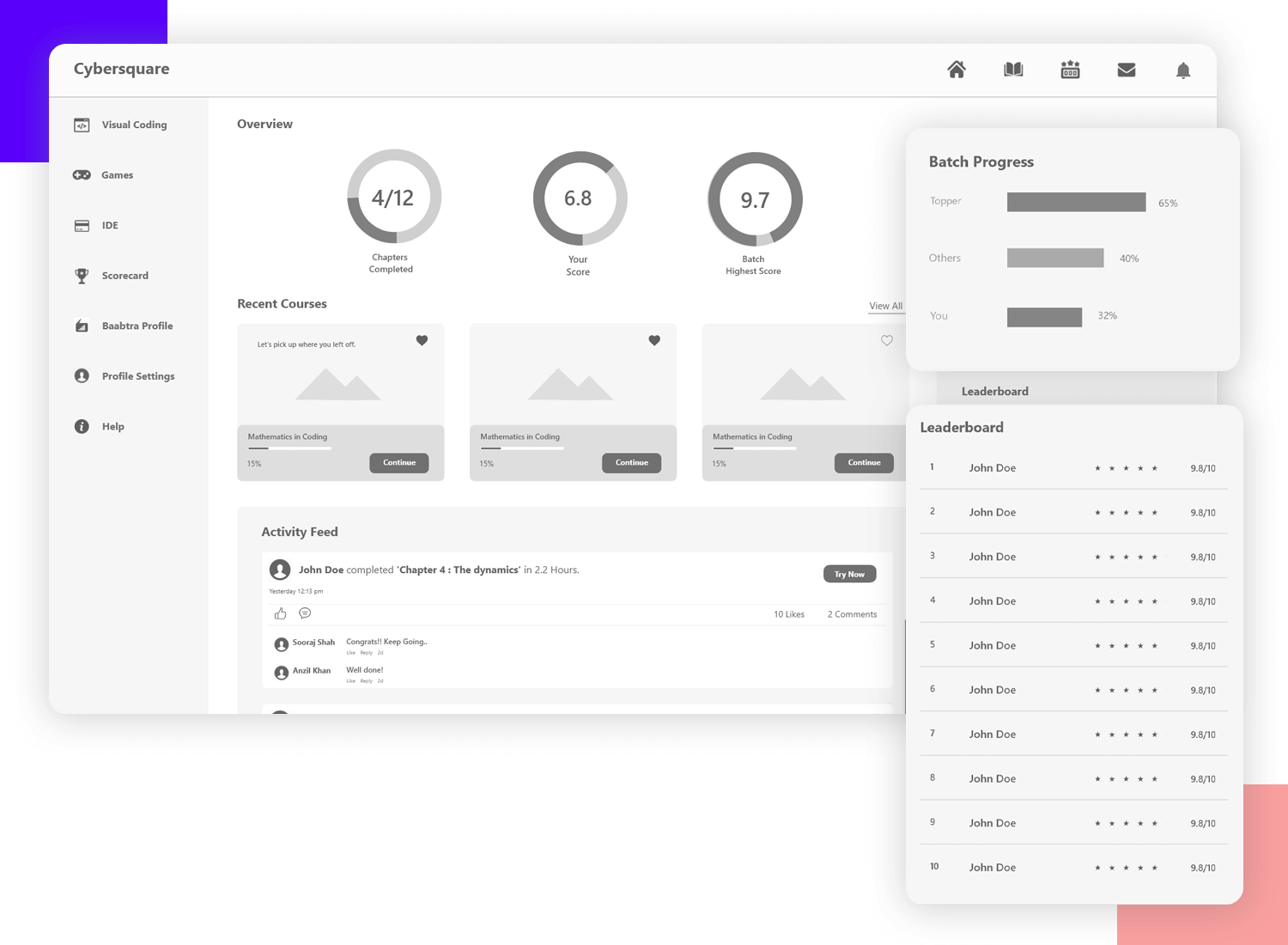
Designers define wireframes as basic visual guides. These show page layouts without colors or images. Elements like buttons and text blocks appear. Wireframes prioritize structure and hierarchy. Users navigate intuitively through planned paths. Teams communicate ideas effectively via these diagrams. Low-fidelity versions use simple lines. High-fidelity adds more details like real text. Mobile wireframes adapt to smaller screens. Desktop ones handle wider spaces. Sitemaps link multiple wireframes together. Goals drive wireframe creation always. Visitors find information fast. Search engines crawl sites efficiently. Developers code with clear references. Marketers place promotions strategically. Artists refine concepts iteratively. Tools extract key features from research.
Wireframes act as blueprints for website building. Creators sketch initial ideas on paper. Digital tools convert sketches to editable files. Annotations explain element purposes. Grids ensure alignment and balance. White space prevents clutter. Hierarchy uses size for emphasis. Flows connect pages logically. Testing reveals usability issues early. Revisions refine user experiences. Data supports wireframe decisions firmly. Examples from pros inspire new designs. Communities discuss best practices online. Books cover theory in depth. Courses provide hands-on practice. Software like Sketch offers templates. Trends include AI-assisted wireframing. Challenges arise in complex sites. Solutions focus on simplicity first.
Benefits of Using Wireframes in Web Design
Teams save time with early planning. Clients approve layouts before coding starts. Developers avoid costly changes later. Users enjoy seamless experiences. SEO benefits from structured content. Marketers optimize calls to action. Designers iterate ideas quickly. Stakeholders align on visions early. Budgets are reduced through efficient processes. Quality improves with focused feedback. Accessibility integrates naturally. Branding strengthens via consistent structures. Analytics guide refinements post-launch. Innovation sparks in collaborative sessions. Education enhances skills rapidly.
Wireframing cuts project timelines significantly. Creators identify problems sooner. Teams collaborate without misunderstandings. Clients visualize concepts vividly. Developers build accurate foundations. Users navigate sites effortlessly. Search rankings climb with logical flows. Promotions convert visitors better. Ideas evolve through rapid sketches. Visions unify across departments. Processes streamline resource use. Feedback loops tighten designs. Features prioritize user needs. Structures support scalable growth. Skills grow with practice. Tools amplify efficiency. Trends favor agile methods. Challenges are resolved via iterations.
Types of Wireframes
There are a few kinds of wireframes, each good for different parts of your plan. They start simple and get more detailed as you go. This helps you build step by step. Pick the type that fits where you are in your idea.
Low-Fidelity Wireframes
These are super basic, like quick doodles on paper. Just rough boxes to show big ideas. They’re great for brainstorming fast. You can make them in minutes. No need for perfect lines, just get the thoughts out.
Mid-Fidelity Wireframes
Now add a bit more, like exact sizes and where text sits. Use shades of gray to show different parts. This is for when you want team feedback. Tools make this easy to tweak. It bridges the gap between rough and ready.
High-Fidelity Wireframes
These look almost like the real site. Add clicks and how pages link up. They’re perfect for testing how users might move around. In 2026, many use AI to make these interactions quick. It feels like playing with the site before it’s built.
How to Create Effective Website Wireframes
Start with research on user needs. Gather data from surveys. Analyze competitor sites. Define site goals clearly. List key pages in sitemaps. Sketch rough ideas on paper. Use tools for digital versions. Add grids for alignment. Place elements logically. Annotate purposes thoroughly. Test flows with users. Iterate based on feedback. Ensure mobile responsiveness. Integrate SEO keywords. Optimize for speed. Share with teams early.
Creators begin by brainstorming CTAs. Prioritize actions like “Shop Now.” Design home pages first. Clarify offerings in seconds. Select slides for intent. Write concise copy. Focus on benefits. Use customer language. Get feedback from five people. Refine text accordingly. Design for desktop and mobile. Simulate devices in browsers. Avoid overthinking sitemaps. Customize services. Limit home slides to five. Internal pages stay simple. Add authentic images later. Videos enhance about pages. Forms simplify contacts. Portfolios prove expertise.
Copywriting boosts wireframe impact. Emphasize problem-solving. Write conversationally. Keep text short. Match visitor intents. Research customer voices. Avoid filler words. Test readability. SEO integrates naturally. Headlines grab attention. Subheads guide reading. Bullets list features. Paragraphs pack info. Feedback reveals gaps. Revisions strengthen messages. Tools aid grammar checks. Trends favor brevity. Challenges include jargon. Solutions use plain language.
Showcase of Best Website Wireframe Examples
Experts highlight the best website wireframe examples for inspiration. Flux Academy lists 20 varied designs. Simple sketches show landing pages clearly. Annotations clarify client communications. Graph paper aids precise shading. Detailed sketches connect multiple pages. Low-fidelity grids divide content effectively. Shades of gray emphasize hierarchy. User flows map app interactions. High-fidelity includes charts for data. One highlight color accents CTAs. Real copy visualizes signups. Mobile adaptations collapse columns. These best website wireframe examples save time.
Mindesigns guides with practical steps. Home pages focus on quick offers. About us shows team authenticity. Contact forms ease inquiries. Portfolios display projects. Services list offerings. Shops highlight products. Blogs feature articles. Value propositions solve problems. Testimonials build trust. Pricing tables clarify costs. Footers navigate sites. Partners prove credibility. Market data informs users. Best website wireframe examples adapt to industries.
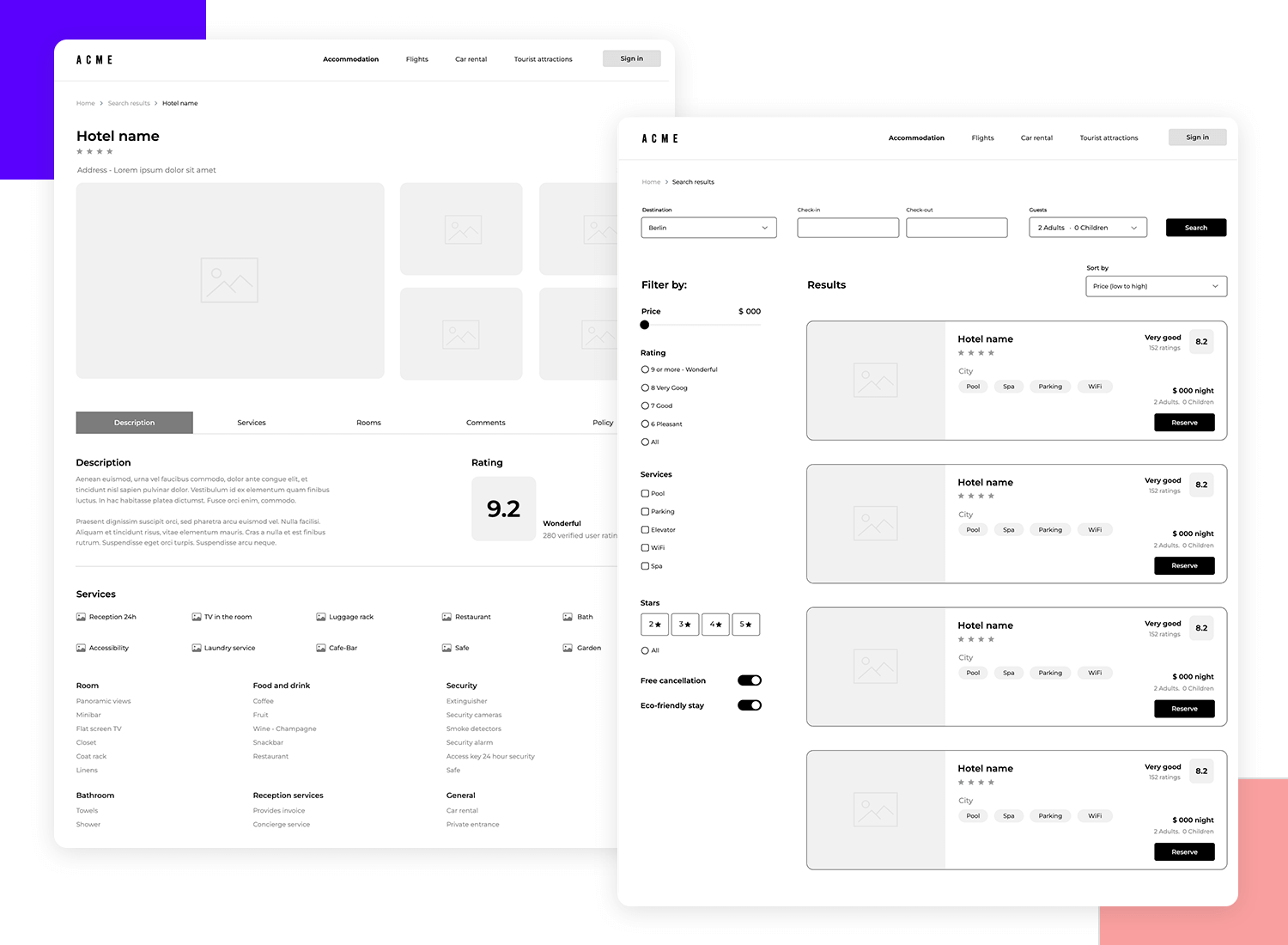
Creative Corner inspires with 22 designs. Hand sketches spark ideas fast. Low-fidelity layouts plan multiple pages. Grids visualize sizes accurately. Mobile apps outline e-commerce flows. Mid-fidelity adds UI details. Homepages define the user’s start. Hotel sites structure content. High-fidelity resembles finals. Booking pages can be searched easily. Product pages add carts. Landing pages scan. SaaS highlights dashboards. Color accents guide eyes. Agency homepages organize icons. Settings pages categorize info. Tesla dashboards minimize distractions. Smart interfaces separate sections. Best website wireframe examples enhance UX.
Real-World Applications and Best Practices
Justinmind provides booking wireframes. These include search bars. Results show details. Services sections add value. Educative dashboards organize info. Miro templates structure parts. HubSpot examples process tools. Uxcel lessons focus on goals. Best website wireframe examples from various sources guide creators. Industries like travel use detailed flows. E-commerce prioritizes carts. Education emphasizes readability. Agencies showcase portfolios. Blogs list articles. Portfolios highlight galleries.
Mobile apps adapt screens. Desktop sites expand grids. Low-fidelity speeds ideation. High-fidelity tests realism. Mid-fidelity balances detail. Annotations explain choices. Grids ensure balance. White space aids scanability. Hierarchies use sizes. Flows connect logically. Testing refines usability. Feedback drives iterations. Responsiveness covers devices. SEO optimizes structures. Marketers place CTAs. Developers reference plans. Users navigate intuitively. Teams align visions. Budgets control costs. Quality rises steadily. Innovation sparks freely. Education builds skills. Tools amplify efforts. Trends evolve practices. Challenges are resolved smartly.
A Gallery of Effective Wireframe Techniques
Best website wireframe examples demonstrate adaptability. Flux’s simple sketch captures ideas. Annotated versions communicate details. Shaded graphs add contrast. Detailed landings connect flows. Grid overlays plan columns. Gray tints show hierarchy. App flows illustrate journeys. Chart inclusions convey data. Color highlights emphasize buttons. Copy integrations visualize texts. Mobile collapses maintain usability. Mindesigns’ home clarifies offers. Internal targets intents. Slides select priorities. Copy solves problems. Feedback refines designs.
Creative’s sketches inspire quickly. Low-fid layouts organize pages. Grids aid sizing. Mobile outlines listings. Mid-fid bridges gaps. Home defines starts. Hotels’ structure flows. High-fid nears finals. Bookings ease searches. Products add buttons. Landings minimize clutter. SaaS previews features. Colors accent navigation. Agencies organize content. Settings categorize forms. Dashboards clarify info. These best website wireframe examples boost projects.
Professionals study the best website wireframe examples for growth. Justinmind’s prototypes add interactions. Uxcel’s cases focus on products. HubSpot’s processes include tools. Miro’s guides begin with Asics. Industries apply uniquely. Travel books destinations. E-commerce displays items. Education dashboards track progress. Agencies pitch ideas. Blogs engage readers. Portfolios attract clients. Mobile prioritizes touches. Desktop handles hovers. Low-fid ideates fast. High-fid validates closely. Mid-fid tests moderately.
Annotations detail reasons. Grids align elements. Spaces prevent overloads. Hierarchies guide eyes. Flows ensure continuity. Tests uncover flaws. Iterations perfect designs. Respondents adapt views. SEO structures content. CTAs convert actions. References aid coding. Intuitions’ ease of use. Alignments unify teams. Controls manage spending. Rises elevate outputs. Sparks ignite creatives. Builds enhance know-how. Amplify tool uses. Evolve trend follows. Resolve challenge smarts.
Tools for Creating Website Wireframes
Designers choose Figma for collaboration. Sketch offers vector precision. Adobe XD integrates prototypes. Miro provides templates. Moqups shares examples. Balsamiq focuses on low-fidelity. Axure adds interactions. Canva simplifies for beginners. Lucidchart diagrams flow. Visio structures enterprises. Freehand sketches digitally. InVision Studios teams. Proto.io mobile apps. Whimsical brainstorming ideas. Draw.io integrates docs. Pencil projects are open-source. Tools evolve with updates. Choices depend on needs. Teams are selected based on scales. Beginners start free. Pros invest in advanced.
Types of Wireframes
There are a few kinds of wireframes, each good for different parts of your plan. They start simple and get more detailed as you go. This helps you build step by step. Pick the type that fits where you are in your idea.
Low-Fidelity Wireframes
These are super basic, like quick doodles on paper. Just rough boxes to show big ideas. They’re great for brainstorming fast. You can make them in minutes. No need for perfect lines, just get the thoughts out.
Mid-Fidelity Wireframes
Now add a bit more, like exact sizes and where text sits. Use shades of gray to show different parts. This is for when you want team feedback. Tools make this easy to tweak. It bridges the gap between rough and ready.
High-Fidelity Wireframes
These look almost like the real site. Add clicks and how pages link up. They’re perfect for testing how users might move around. In 2026, many use AI to make these interactions quick. It feels like playing with the site before it’s built.
How to Make a Wireframe
Making a wireframe is straightforward. First, think about what pages your site needs, like home or about. Then draw boxes for headers, menus, and main stuff. Use a tool to keep it neat. Imagine you’re planning a room – where does the door go, the window? Same for sites. Tip: Start with a list of must-haves. Compare paper sketches to digital ones; digital lets you change things easily.
Top Wireframe Examples
Let’s look at some real examples that spark ideas. These come from different site types. They show how layouts can fit what you need. Each one highlights smart ways to arrange things. Use them as a starting point for your own.
E-Commerce Site Examples
For online shops, focus on showing products clearly. A good example has a big search bar up top and grids for items. Like Amazon’s setup, it makes buying simple. Add spots for deals or carts. This keeps shoppers happy and clicking.
Portfolio Site Examples
These are for showing off your work, like art or photos. Keep it clean with a grid of images. About 70% of them use simple layouts to let the work shine. No clutter, just easy navigation. It helps visitors focus on what matters.
Blog Site Examples
Blogs need space for reading articles. A wireframe with a long scroll and side bar works well, like on Medium. Put recent posts up front. Compared to news sites that add more pictures. For blogs, text is king, so make it easy to read.
Mobile-Friendly Examples
Sites for phones must fit small screens. Use responsive designs that adjust. An example stacks sections vertically for easy scrolling. In 2026, AI will help make these adaptations even better. Think of menus that hide until tapped.
Tools for Wireframing
You don’t need fancy stuff to start. Figma is free and has tons of templates. Miro works great for teams to draw together. Balsamiq gives a hand-drawn feel. Compare Figma to Sketch – Figma shares more easily. Tip: Pick one with AI features for quick layouts in 2026.
Current Trends in 2026
Wireframing is getting exciting with new tech. AI now creates drafts fast and even suggests changes. Many designers use it for dynamic pages that change based on users. Voice controls are big, too. Shapes are more organic, not just boxes. A stat shows most pros rely on AI for UX ideas. Tip: Make your wireframes accessible, like for screen readers.
Frequently Asked Questions
What is a website wireframe?
A website wireframe is like a simple drawing that outlines the structure of a web page. It uses basic shapes to show where elements like headers, navigation menus, content areas, and footers will go. Without colors or images, it focuses on layout and functionality. This helps designers and teams visualize the site early. It’s key for planning user flow and spotting issues before adding details. Tools like Figma make creating them easy and collaborative.
Why are wireframes important?
Wireframes are vital because they save time and money by catching problems early in the design process. They let you test ideas quickly without building the full site. Teams can discuss and agree on the layout, ensuring everyone is on the same page. For users, it means better navigation and experience from the start. Studies show that fixing issues here is much cheaper than later. Overall, they turn vague concepts into clear plans that guide the whole project.
What tools make wireframes?
Popular tools for wireframes include Figma, which is free and great for teams with templates. Balsamiq offers a sketch-like style for quick ideas. Miro is ideal for brainstorming with others. Adobe XD has strong prototyping features. In 2026, AI-integrated ones like Visily speed up the process. Choose based on your needs – simple for beginners or advanced for pros. Many have free trials to try out.
How do I start wireframing?
To start wireframing, first list your site’s goals and pages. Sketch rough layouts on paper or use a tool like Wireframe.cc for basics. Focus on key elements: header, content, footer. Think about user paths, like how they click from home to shop. Get feedback early to refine. Practice with examples from sites like Flux Academy. It’s like building a puzzle – place the big pieces first.
What are low-fidelity wireframes?
Low-fidelity wireframes are rough, simple sketches using basic lines and boxes. They ignore details like colors or fonts, focusing on overall structure. Great for early brainstorming, they help explore ideas fast without commitment. You can make them on paper or with quick digital tools. This type spots big flaws early. As you progress, evolve them into more detailed versions. They’re flexible and encourage creativity.
Are wireframes needed for small sites?
Yes, even for small sites, wireframes help organize thoughts and ensure good user flow. They prevent messy designs and make updates easier. For a personal blog or simple page, a quick sketch clarifies the layout. It saves time in the long run by avoiding re-do’s. Experts recommend them for any project size to build a strong base. Try it – you’ll see the difference in clarity.