




Learn about the First Touchscreen Smartphone in the World, the IBM Simon from 1994. Find out its cool features, why it didn’t last long, and how it helped make the phones we use today. Get simple facts and fun stories in this easy read.
What Is the First Touchscreen Phone?
Hey, have you ever wondered about the first touchscreen smartphone in the world? It’s not the iPhone like some folks think. It was the IBM Simon, a fun gadget from way back in 1994. This phone mixed calls with computer tricks, like touching the screen to do stuff.
The IBM Simon let you poke the screen with a little stick called a stylus. It was made by IBM and a company called BellSouth. They sold about 50,000 of them, which sounds like a lot but wasn’t back then.
Picture holding a phone that’s also your notebook. That’s what Simon was like. It changed how we think about phones forever.
How IBM Simon Was Born
Let’s go back in time. The story of the first touchscreen smartphone in the world starts in 1992. IBM had a smart guy named Frank Canova who led a team to make something new. They wanted a phone that could do more than just ring.
First, they showed it at a big tech fair called COMDEX in 1993. People got excited! Then, in 1994, it hit stores in the US. BellSouth helped sell it. It was like a secret project that became real.
Think about inventors tinkering in a lab. They fixed problems step by step. This phone was born from big dreams about mobile tech. It showed what could happen when you mix phones and computers.
Key Features of IBM Simon
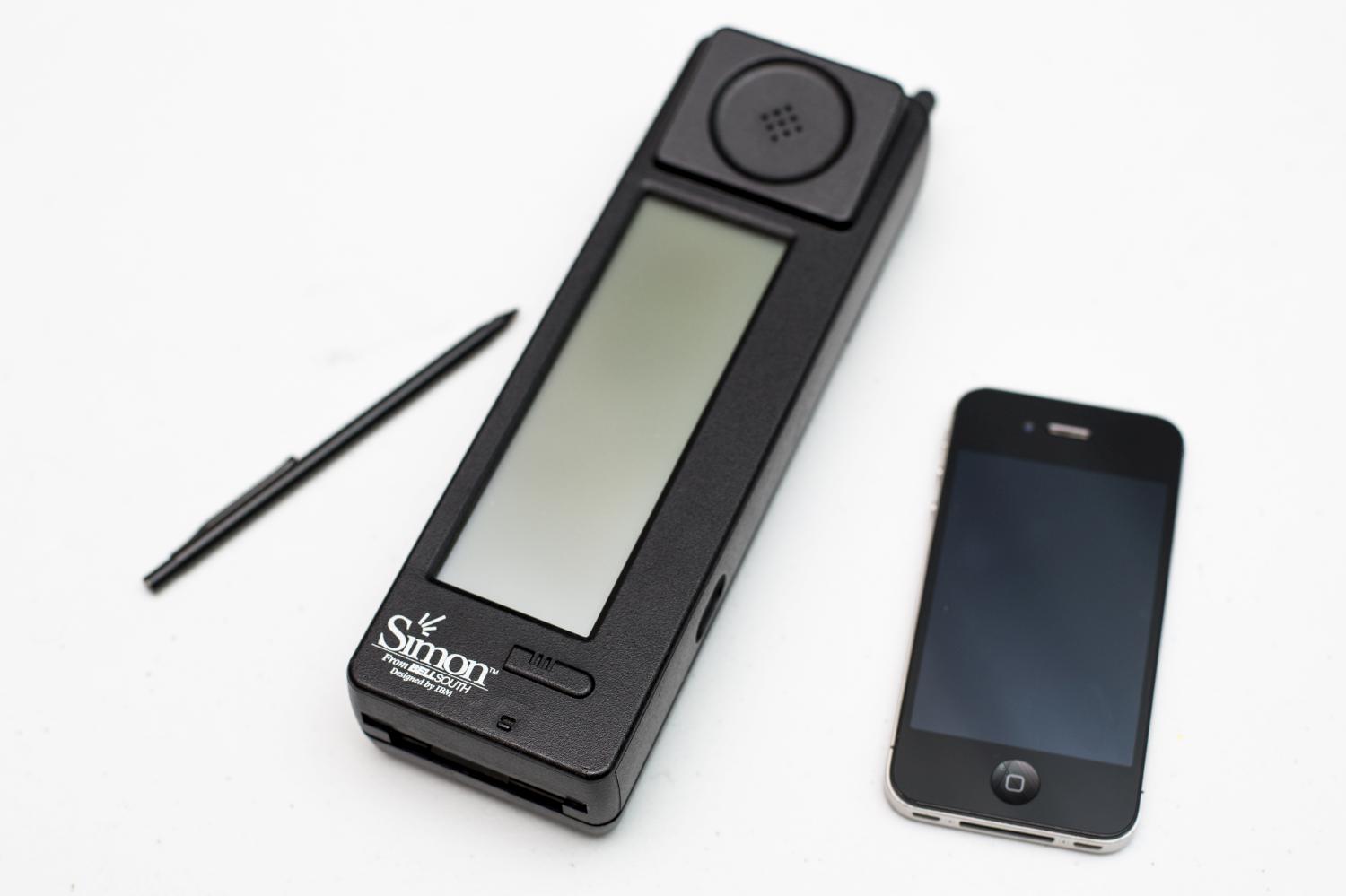
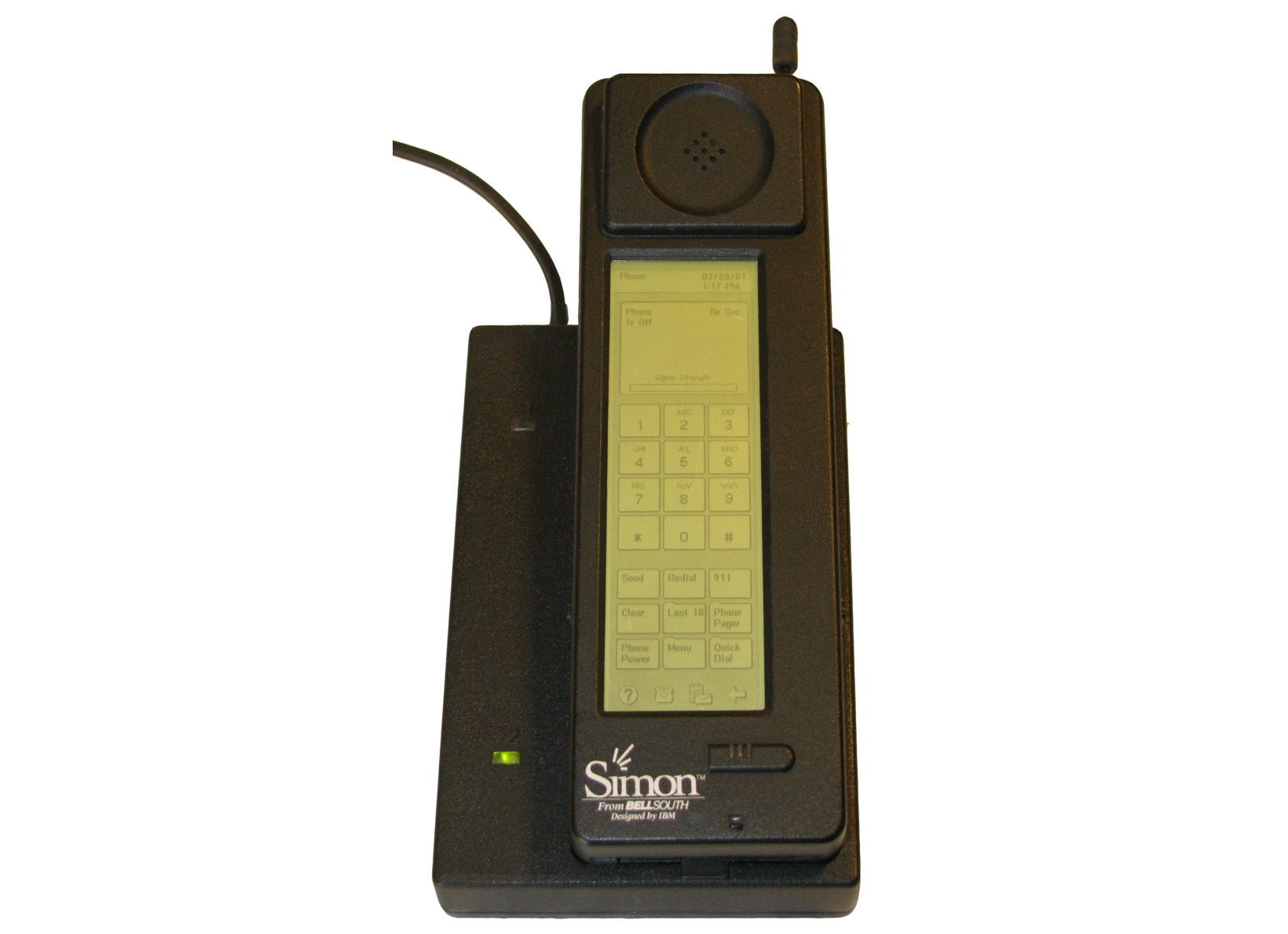
What made the IBM Simon special as the first touchscreen smartphone in the world? It had a screen you could touch, about 4.5 inches big. You used a stylus to draw or pick things on it.
Here are some cool features:
- Send emails and faxes right from the phone.
- Use apps like a calendar to plan your day.
- A calculator for quick math.
- Note pad to jot down ideas.
- World clock to check time anywhere.
Imagine you’re at school and need to send a note home. Simon could do that! It was like having a tiny office in your pocket. Compared to old flip phones, this was way ahead.
Challenges and Why It Failed
But not everything was perfect with the first touchscreen smartphone in the world. The IBM Simon was heavy, about one pound. That’s like carrying a small book! And the battery only lasted one hour for talking.
It costs between $899 and $1,099. Back then, that’s like $2,000 today. Most people couldn’t afford it. So, they only sold it for six months.
Here’s a tip: If something is too pricey or hard to use, it won’t stick around. Simon taught companies to make things lighter and cheaper. Think about a toy that’s too big to play with – same idea.
Compare to Modern Phones Like iPhone
How does the first touchscreen smartphone in the world stack up against today’s phones? The IBM Simon used a stylus on a resistive screen. That means you had to press hard. The iPhone from 2007 used your finger on a capacitive screen, which feels smooth.
Simon had basic apps, but the iPhone has millions. Simon was big and clunky; iPhones are slim and light. Yet, both let you touch to control.
Try this: Hold your phone and think about Simon. It was the start. Alternatives like the LG Prada in 2007 had better touch but fewer features than Simon’s early tries.
Impact on the Smartphone World
The IBM Simon, as the first touchscreen smartphone in the world, changed everything. It showed that phones could be smart. Now, we have Android and iOS building on those ideas.
Experts say it paved the way for email on the go and apps. Today’s trends, like foldable phones, started from Simon’s touchscreen dream.
Picture life without touch phones. We’d still use buttons! Simon’s impact is in every swipe you make.
Fun Facts About IBM Simon
Want some neat bits about the first touchscreen smartphone in the world? Here they are:
- It was the first phone to send emails.
- Named after the game “Simon Says.”
- You could add memory cards for more space.
- It had a sketch pad to draw pictures.
- Now, it’s in museums as a piece of history.
Did you know it came out before the internet was big on phones? That’s wild! These facts show how far we’ve come.
Evolution of Touchscreen Phones
From the first touchscreen smartphone in the world, things got better fast. Simon had a resistive screen that needed a poke. Now, we have capacitive screens that work with a light touch.
Phones evolved to multitouch, where you pinch to zoom. Trends now include foldables that bend like paper. AI helps too, like voice helpers.
A tip: To see evolution, compare your phone to old pics of Simon. It helps you appreciate tech growth.
Final Takeaway
So, the IBM Simon started it all as the first touchscreen smartphone in the world. Next time you use your phone, think about that old buddy from 1994. Share what you like about old tech in the comments!
FAQs
What was the first touchscreen smartphone?
The IBM Simon Personal Communicator is known as the first touchscreen smartphone in the world. It came out in 1994 and had a touch screen you used with a stylus. This phone could make calls, send emails, and even send faxes. It also had apps like a calendar and a calculator. Though it didn’t sell well, it set the stage for all the smartphones we have now.
People often mix it up with the iPhone, but Simon was way earlier. It weighed a pound and cost a lot, about $900 back then. Today, that would be like $2,000. Only 50,000 were sold in six months. Fun fact: It was shown at a tech fair in 1992 before hitting stores. This phone mixed phone and computer features for the first time.
Who invented the first touchscreen phone?
Frank Canova, an engineer at IBM, led the team that made the first touchscreen smartphone in the world. IBM worked with BellSouth to build and sell it. The idea started as a project in 1992. They wanted something new that could do more than just calls.
Canova and his friends tinkered to make the touchscreen work. It was a big deal because no one had done it before. The phone got its name from a game. Experts say this invention kicked off the smartphone era. Without it, we might not have quick email on phones today. The team fixed many problems, such as battery life. Their work shows how one idea can change tech forever.
Was the iPhone the first touchscreen phone?
No, the iPhone was not the first touchscreen smartphone in the world. That honour goes to the IBM Simon from 1994. The iPhone came out in 2007, 13 years later. Simon used a stylus, whilethe iPhone lets you use fingers for multitouch. But Simon had early apps and email.
The iPhone made touch phones popular with its smooth screen. Many people thinkthe iPhone started it all because it sold so well. Simon flopped due to the high cost and weight. Still, it inspired Apple and others. Compare them: Simon was clunky, iPhone sleek. This shows how tech builds on old ideas. If you want to see the difference, look up pics of both.
What features did the first smartphone have?
The first touchscreen smartphone in the world, the IBM Simon, had neat features for its time. It had a 4.5-inch touch screen with stylus input. You could send emails, faxes, and make calls. Apps included a calendar, calculator, note pad, and world clock. There was even a sketch pad to draw.
It connected to pagers, too. Memory was small, but you could add cards. The battery lasted one hour for talking. It cost $900 and weighed a pound. Compared to now, it was basic, but groundbreaking. No camera or web browser yet. These features showed phones could be like computers. Think about using it for school notes or quick math. It started the app world we love.
Why did the IBM Simon fail?
The IBM Simon, the first touchscreen smartphone in the world, failed for a few reasons. It was too expensive at $899 to $1,099, like $2,000 today. Most folks couldn’t buy it. It was heavy, one pound, hard to carry. The battery died after one hour of talk, not useful for long days.
Tech wasn’t ready networks were slow for emails. Sold for only six months, about 50,000 units. No big ads helped either. But it taught lessons: Make phones light, cheap, and long-lasting. Now, phones last all day and cost less. Imagine trying to use a brick-like phone – that’s why it didn’t catch on. Still, its ideas lived on in better phones. This flop helped future wins.
How has touchscreen tech evolved?
Touchscreen tech has grown a lot since the first touchscreen smartphone in the world. Simon used resistive screens that needed hard presses with a stylus. Now, capacitive screens sense light finger touches. Multitouch came with the iPhone, letting you zoom or swipe easily. Screens got bigger, from 4.5 inches to over 6. Trends include foldables that bend without breaking.
AI adds smart touches like face unlock. Batteries last longer, networks are faster for video. From basic apps to millions in stores. Think about evolution: Old phones had buttons, now all touch. Tips: Clean your screen to keep it responsive. This tech makes life simple, like drawing on paper but digital. The future might have screens everywhere.