





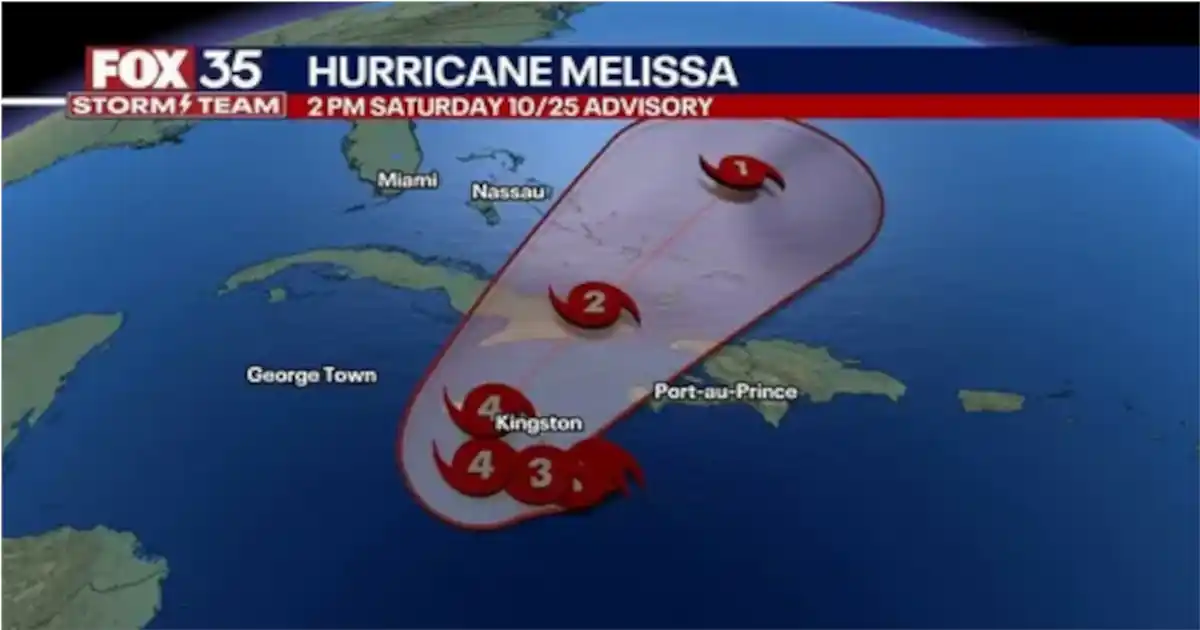
Experts monitored a tropical wave from West Africa starting October 16, 2025. It moved westward through the Windward Islands. The system entered the Caribbean Sea. Conditions favoured development. The National Hurricane Center named it Tropical Storm Melissa on October 21. Winds reached 39 mph at that time. Weak steering currents caused meandering. Moderate wind shear kept it disorganized initially. A trough reduced shear later. Sea surface temperatures hit 86–88 °F. High ocean heat content supported growth. The tropical storm Melissa hurricane began rapid intensification on October 25.
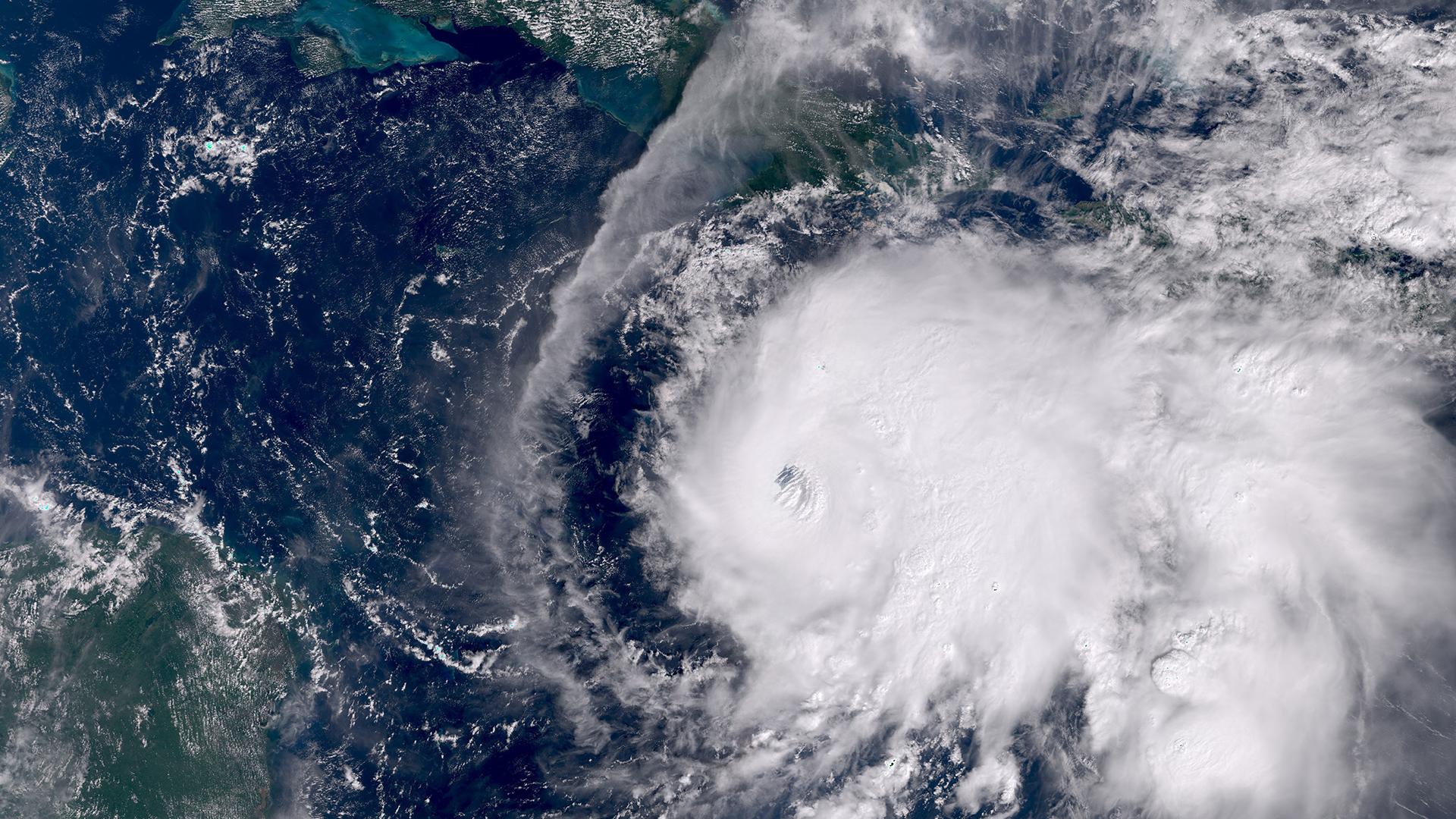
This event marked a historic storm in the Atlantic basin. It affected multiple countries severely. Jamaica suffered the most damage. Cuba faced significant impacts too. Haiti and the Dominican Republic dealt with outer bands. The storm set several records. Climate change played a key role. Relief efforts continue months later. Understanding this helps future preparations.
Formation and Early Development
A tropical wave left West Africa on October 16, 2025. It crossed the Atlantic steadily. The wave passed the Windward Islands. It entered the warm Caribbean waters. Favorable conditions emerged quickly. The National Hurricane Center issued advisories. The system organized into a tropical depression. It strengthened to Tropical Storm Melissa on October 21. Initial winds clocked at 39 mph. Weak currents slowed its movement. The storm meandered in the central Caribbean. Moderate shear disrupted its structure. Forecasters predicted potential growth.
The trough moved away eventually. Wind shear decreased significantly. Outflow improved around the center. Sea temperatures provided ample energy. Ocean heat content remained high. The storm’s convection deepened. Satellite images showed better organization. The tropical storm Melissa gathered strength. Winds increased to 70 mph by October 25. Rapid intensification started then. This phase surprised many experts.
Melissa’s core tightened rapidly. An eye formed on satellite views. The storm’s structure improved hourly. Favourable environment fueled the process. No inhibiting factors appeared. The National Hurricane Center upgraded it frequently. Residents in the Caribbean prepared early. Governments issued watches and warnings. The formation highlighted unpredictable weather patterns.
Rapid Intensification Phases
Melissa intensified dramatically on October 25. Winds doubled in 18 hours. They reached 140 mph quickly. The storm achieved Category 4 status. Rapid deepening continued overnight. It avoided eyewall replacement cycles. The tropical storm Melissa hurricane hit Category 5 on October 27. Sustained winds peaked at 185 mph. Central pressure dropped to 892 mbar. This occurred south-southeast of Negril, Jamaica.
Warm waters supercharged the process. Sea temperatures exceeded averages. Climate change made them 500–700 times more likely. The ocean absorbed excess heat. Human activities contributed significantly. Winds increased by 11 mph due to warming. The storm’s path aligned with hot spots. No shear disrupted the core. Outflow vents expanded outward. Satellite data captured the eye clearly.
The intensification broke records. A dropsonde measured 252 mph gusts. This exceeded previous highs. Typhoon Megi held the old record. Melissa’s rate stunned meteorologists. It jumped from tropical storm to major hurricane fast. The phase tested forecasting models. Communities rushed into evacuations. The rapid growth amplified potential dangers.
Storm Path and Landfalls
Melissa meandered initially in the Caribbean. It moved northwest slowly. The path targeted Jamaica first. The storm approached the island on October 28. It made landfall near New Hope, Westmoreland. Winds sustained 185 mph at impact. The eye crossed southwestern parishes. Mountains weakened it inland. It dropped to Category 4 quickly. The storm emerged offshore as Category 4.
It turned northeast afterward. Cuba lay in its way. Melissa weakened to Category 3 en route. Landfall occurred near Chivirico on October 29. Winds hit 120 mph then. The storm crossed eastern provinces. It briefly re-intensified to Category 4 offshore. Weakening resumed soon after. It passed through the Bahamas as Category 1. Bermuda faced Category 2 conditions next.
The path continued northeast. Melissa transitioned extratropical on October 31. It moved near Newfoundland later. Remnants dissipated on November 4. The track affected multiple nations. Swells reached the U.S. East Coast. Rough seas caused issues there. The path’s erratic nature challenged predictions.
Impacts on Jamaica
Melissa struck Jamaica as Category 5. Storm surge flooded coastal areas. Winds ripped roofs from homes. Trees toppled across roads. Power lines snapped everywhere. Flooding submerged Mandeville streets. Alligator Pond saw severe inundation. The tropical storm Melissa destroyed 24,000 structures. It damaged 150,000 more. Hotels lost 40–50% capacity.
Agriculture suffered massive losses. Crops covered 102,300 acres were ruined. Farmers lost 1.25 million animals. Banana plantations vanished overnight. Sugar cane fields were flattened completely. Economic hit reached J$29.5 billion. Schools closed indefinitely. 721 institutions needed repairs. 160 stayed shut long-term. Power outages affected 530,000 customers. The leptospirosis outbreak followed flooding.
Deaths totalled 54 in Jamaica. 45 came directly from the storm. Indirect causes claimed 9 more. Injuries reached 109 people. 13 remained missing weeks later. The government declared disaster zones. Prime Minister Andrew Holness led the response. The tourism industry faced rebuilding urgency. The impacts reshaped the island’s economy.

Impacts on Cuba and Hispaniola
Melissa hit Cuba as Category 3. Evacuations moved 735,000 people. Flooding struck Santiago de Cuba. Landslides blocked mountain roads. Houses numbered 992,000 were damaged. Power grids failed widely. Cell service disrupted communications. Medical facilities saw 642 affected. Oil refineries halted operations. Airports closed temporarily. The Cauto River overflowed its banks.
One death occurred in Cuba. Injuries totalled 17 reported. Viral infections surged post-storm. Dengue and chikungunya cases rose. Chikungunya hit 700 daily. 50,000 needed hospitalization. Food scarcity worsened conditions. Electricity reached only 40%. Cities get 4-6 hours daily. Fuel lines stretched for days.
Haiti faced outer bands first. Flash floods killed 43 people. Landslides buried homes in Port-au-Prince. Rivers burst in Petit-Goâve. Trees fell in Marigot. 450 homes were severely damaged. 15 injuries occurred. 13 went missing. Cholera risks increased. Gang violence complicated shelters.
Dominican Republic reported 4 deaths. One child went missing. Drownings happened in floods. 1.1 million lost water access. Roads collapsed in places. Hospitals sustained damage. Banana plantations destroyed. Livestock drowned extensively. The tropical storm Melissa amplified preexisting issues.
Impacts on Other Regions
The Bahamas experienced Category 1 winds. Crooked Island saw 85 mph gusts. Cat Island faced hurricane force. Long Island had eye passage. Power stations were damaged there. Flooding occurred in low-lying areas. The Turks and Caicos dealt with rough seas. Limited structural damage reported.
Bermuda encountered Category 2 conditions. Gusts hit 98 mph. Half the island lost power. Closures affected businesses. Heavy rain set records. Swells impacted coastal paths.
Puerto Rico saw heavy rain. Guánica reported damage. Colombia faced rough seas. Northeastern U.S. got rainfall. Central Park measured 1.83 inches. Basement drownings occurred in New York. The storm’s reach extended far.
Aftermath and Relief Efforts
Nations launched recovery operations immediately. Jamaica focused on agriculture rebuilding. Small farmers received aid priority. Tourism sectors rushed repairs. Convoy of Hope positioned resources. They supported the affected regions long-term. The United Nations appealed for $74 million in Cuba. Funding reached 19% quickly.
Center for Disaster Philanthropy recommended donations. They emphasized flexible grants. Cash aid empowered families. Remittances bolstered Jamaica’s economy. $3.3–3.5 billion arrived annually.
Health concerns persisted months later. Mosquito-borne diseases surged. Water contamination caused outbreaks. Displaced people numbered 90,000 in Jamaica. Shelters housed 10,000 in Haiti. Rebuilding costs soared due to shipping. Waste management posed challenges. Digital tools aided assistance distribution.
Records and Historical Significance
Melissa set multiple records. It tied third-most intense by pressure. 892 mbar matched the 1935 Labour Day hurricane. Winds ranked second-highest at 185 mph. Only Allen surpassed it. Landfall winds tied the strongest ever. Jamaica saw its worst hit. Gilbert in 1988 paled in comparison.
The dropsonde gust hit 252 mph. This broke global records. Megi 2010 held a previous high. Rapid intensification stunned experts. Climate change made it 50% more damaging. Rainfall increased 10% due to warming.
The 2025 season featured Melissa prominently. It became the strongest worldwide. Naming followed standard lists. Retirement discussions started post-season. Comparisons to Dorian and Wilma arose. The tropical storm Melissa hurricane redefined extremes.
Climate Change Connections
Human activities warmed oceans. Sea temperatures rose 1.4°C above average. Climate change made this 500–900 times more likely. Excess heat absorption fueled intensity. Winds gained 10 mph from warming. Damage potential rose 50%. Adaptation limits tested in Jamaica and Cuba.
Studies linked emissions to stronger storms. World Weather Attribution confirmed influences. Food insecurity worsened pre-storm. 10 million people affected already. Crops were devastated further. Future storms may intensify similarly. Mitigation efforts gain urgency.
Preparation and Response Strategies
Governments issued early warnings. Jamaica upgraded watches to warnings. Airports shut on October 25. Shelters opened for 1,700 evacuees. Misinformation challenged efforts. Cruises rerouted ships. Airlines cancelled 167 flights.
Cuba evacuated 735,000 residents. The U.S. Navy left Guantanamo Bay. The Dominican Republic activated red alerts. The Cayman Islands distributed sandbags. Bermuda is prepared with closures. International aid coordinated swiftly.
Lessons include better communication. Community education saves lives. Infrastructure hardening prevents damage. Early detection improves forecasts. The tropical storm Melissa hurricane taught valuable insights.
Economic and Social Repercussions
Damage totaled $10 billion overall. Jamaica bore the brunt. Costs equalled one-thirdof GDP. Tourism season loomed close. Hotels rebuilt frantically. Agriculture losses hit small farmers hard. 80% worked tiny plots.
Social issues amplified vulnerabilities. Poverty rates stood at 8.2%. Rural areas hit 11.5%. Food insecurity affected 54% households. Stocks reduced 39%. Displaced families struggled. Women and children needed special aid.
Recovery emphasized equity. Partnerships formed with NGOs. Long-term support focused on resilience. Economic empowerment came via cash. The repercussions linger into 2026.
Global Perspectives on the Storm
International media covered Melissa extensively. Videos showed ground zero devastation. Survivors shared stories online. World Central Kitchen provided relief. Donations poured in globally.
Comparisons drawn to past storms. Helene and Beryl compounded effects. Jamaica recovered from Beryl recently. Global warming trends alarmed experts. Policy changes are discussed at conferences. The storm unified response efforts.
FAQs
What caused the rapid intensification of the tropical storm Melissa hurricane?
Warm ocean waters fueled the process. Climate change increased temperatures. Low shear allowed growth. High heat content provided energy. The storm doubled its winds quickly. Experts attribute 11 mph to warming.
Where did the tropical storm Melissa make landfall?
It hit Jamaica first on October 28. The location was near New Hope. Cuba followed on October 29. The site was Chivirico area. Bahamas and Bermuda saw later passages. The path curved northeast.
How many deaths did the tropical storm Melissa cause?
Total deaths reached 102. Jamaica reported 54. Haiti had 43. Dominican Republic counted 4. Cuba noted 1. Indirect causes added more.
What records did the tropical storm Melissa hurricane set?
It tied third for lowest pressure. Winds ranked second-highest. Landfall intensity broke Jamaica’s record. Gusts hit 252 mph globally. Rapid intensification marked extremes. Climate impacts highlighted.
How did climate change affect the tropical storm Melissa hurricane?
Warming made the waters hotter. Likelihood increased 500–900 times. Winds strengthened by 10 mph. Damage rose 50%. Rainfall grew 10%. Adaptation limits tested.
What relief efforts followed the tropical storm Melissa hurricane?
Organizations like Convoy of Hope responded. UN appealed for funds. Donations supported recovery. Cash aid empowered locals. Health services addressed outbreaks. Rebuilding focused on resilience.